How to Prevent Costly Water Leaks with Regular Pipe Maintenance
Water leaks can cause significant damage to a property and lead to expensive repairs if not addressed early. Regular pipe maintenance is essential for preventing leaks, saving water, and avoiding unexpected repair costs. Here’s how you can keep your pipes in excellent condition and prevent costly water leaks in your home or business.
1. Inspect Pipes Regularly for Signs of Wear and Tear
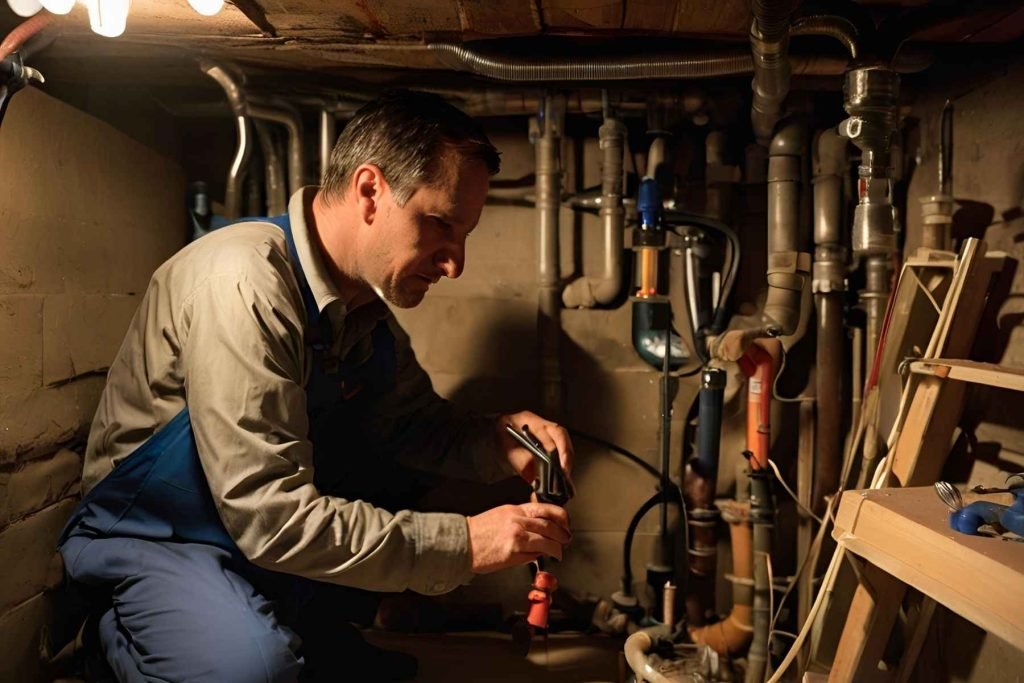
Over time, pipes can develop small cracks, corrosion, or loose joints. Regularly inspect exposed pipes in basements, under sinks, and around appliances for any visible signs of damage. Look for discoloration, water stains, or moisture buildup around pipes, as these can indicate a developing leak that needs immediate attention.
2. Address Clogs Quickly
Clogs don’t just slow down water flow—they can put significant pressure on your pipes, leading to cracks or leaks over time. If you notice slow drainage in sinks, tubs, or toilets, it’s best to clear these clogs early. Use natural solutions or a plunger to avoid chemical damage, and if a clog persists, call a professional plumber for help.
3. Check Water Pressure Levels
High water pressure can wear out pipes quickly and lead to leaks. Ideal water pressure for most homes is between 40 and 60 psi. If the water pressure is consistently high, it’s worth installing a pressure-reducing valve to protect your pipes. Consider getting a water pressure gauge to monitor levels and catch issues before they cause damage.
4. Drain Sediment from the Water Heater Regularly
Sediment buildup in the water heater can lead to corrosion, which affects both the heater and the connected pipes. By flushing the water heater once a year, you can remove this buildup and prevent corrosion that may eventually cause leaks. It’s a simple task that a professional can handle if you’re not comfortable doing it yourself.
5. Insulate Pipes During Cold Months
Cold weather can cause water to freeze inside pipes, creating pressure that may lead to cracks and leaks. Insulate pipes in unheated spaces like garages, attics, and basements, especially if your home is in a region with freezing temperatures. Foam insulation tubes are easy to install and can save you from burst pipes and water damage in winter.
6. Replace Aging Pipes and Fixtures
If your property has older pipes or outdated fixtures, it’s wise to replace them before they start leaking. Older pipes made of materials like galvanized steel or polybutylene are more prone to corrosion and leaks. Upgrading to modern, durable materials like copper or PEX can give you peace of mind and reduce the risk of leaks.
7. Monitor Your Water Bill for Unexpected Increases
An unusually high water bill is often the first sign of a hidden leak. If you notice a spike in water usage without a clear cause, it’s worth investigating for leaks in your plumbing system. A plumber can perform a leak detection test to locate hidden leaks and prevent further water wastage.
8. Schedule Professional Leak Detection
Even with regular checks, some leaks are difficult to spot without specialized equipment. Scheduling annual leak detection services from a professional plumber can help identify hidden leaks in walls, floors, or underground pipes. Early detection helps you address issues before they escalate into significant water damage.
Conclusion
Preventing costly water leaks is all about proactive maintenance and regular inspections. By following these tips and keeping a close eye on your plumbing system, you can extend the life of your pipes and avoid unexpected repairs. A small investment in maintenance now can save you from costly repairs down the road.
